


About CareersInPsychology.org: Trusted Psychology Career Guidance Since 2005
CareersInPsychology.org is an educational resource providing psychology career guidance through articles, state-specific licensure information, and degree program details. We help students and aspiring mental health professionals navigate their career paths in psychology, counseling, therapy, and social work.
Choosing a career in psychology can feel overwhelming. With dozens of specializations, varying degree requirements, and state-specific licensure rules, it's tough to know where to start. That's exactly why we created CareersInPsychology.org: to provide you with clear, accurate guidance every step of the way.
Whether you're a high school student exploring options, a college junior deciding on graduate programs, or a career changer considering psychology, we're here to help you make informed decisions about your future.
Our Story
CareersInPsychology.org was founded to fill a critical gap in career guidance resources. Many talented students struggled to find reliable, comprehensive information about psychology careers, degree requirements, and licensure pathways.
We started with a simple mission: create a single resource where prospective psychology students could find clear information about psychology careers, degrees, and licensure. What began as a modest collection of career guides has grown into a library covering a wide range of psychology and mental health careers.
Over the years, we've added state-specific licensure resources, interviewed practicing psychology and mental health professionals, and built out career guides and degree information across a wide range of professions. Our commitment to accuracy and student success hasn't changed since day one.
Our Mission: Empowering Your Psychology Career Journey
We believe that choosing the right psychology career shouldn't require decoding complex jargon or navigating dozens of unreliable websites. Our mission is straightforward: provide clear, accurate, actionable information that helps you confidently pursue your psychology career goals.
We're committed to:
- Accuracy - Articles are researched using state licensing boards, professional organizations, and BLS data, and reviewed when requirements change
- Accessibility - We explain complex concepts in plain language, making psychology career information understandable for everyone
- Breadth - From associate degrees to doctoral programs, from school counseling to clinical neuropsychology, we cover a wide range of psychology careers
- Student Success - Your career goals drive everything we do. We focus on practical, actionable guidance that moves you forward
How Our Content Is Made
CareersInPsychology.org is maintained by its editorial staff. Licensure information is researched using the relevant state licensing board for each profession, including psychology, professional counseling, marriage and family therapy, and social work. Program accreditation is researched through the appropriate accrediting bodies, including the APA Commission on Accreditation for eligible health service psychology programs, CACREP for counseling education, the Council on Social Work Education’s Board of Accreditation for social work education, and COAMFTE for marriage and family therapy education. Accreditation does not itself grant a professional license, and education requirements for licensure vary by state, profession, and license type. Salary figures come from the U.S. Bureau of Labor Statistics. Our interview series features practicing professionals in their own words.
Professionals We've Interviewed
Since our early years, we have interviewed psychologists, counselors, therapists, and social workers about how they built their careers. Their stories shaped how we explain each path. Here are a few of the professionals we've interviewed, followed by our full interview series.

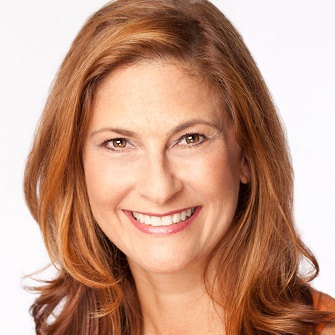
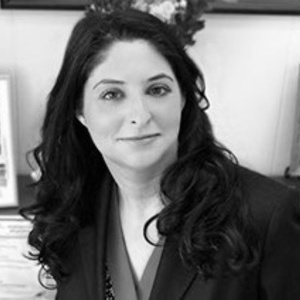
Dr. Durvasula is a licensed clinical psychologist in California, founder and CEO of LUNA Education, Training and Consulting, and professor emerita of psychology at California State University, Los Angeles. She is the New York Times bestselling author of It’s Not You: Identifying and Healing from Narcissistic People. At the time of her interview, she was a professor of psychology at Cal State LA with a private clinical practice.

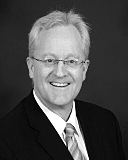
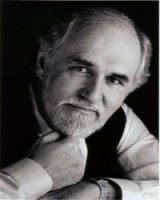
Dr. Ruff is a neuropsychologist and psychotherapist at San Francisco Clinical Neurosciences and a clinical professor of psychiatry at the University of California, San Francisco. A past president of the National Academy of Neuropsychology and a Fellow of the American Psychological Association, he has developed four neuropsychological tests and published more than 120 articles and book chapters. At the time of his interview, his clinical work and research centered on assessing and treating people with traumatic brain injury.

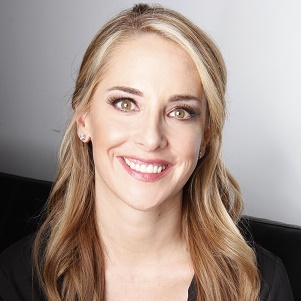
Dr. Mair is a cognitive psychologist and fashion business consultant, founder of psychology.fashion, a Chartered Fellow of the British Psychological Society, and the author of The Psychology of Fashion (Routledge, 2018). At the time of her interview, she was Professor of Psychology for Fashion at London College of Fashion, University of the Arts London, where she created degree programs applying psychology to fashion.

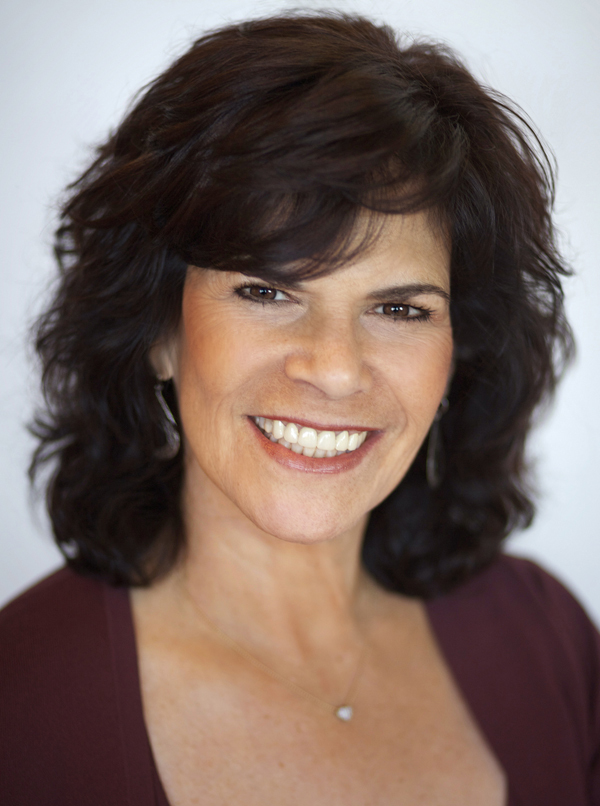
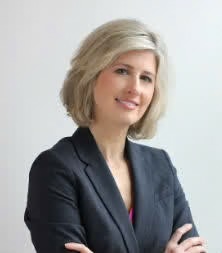
Dr. Hafeez is a New York State licensed psychologist and certified school psychologist specializing in neuropsychological assessment. She is the founder and clinical director of Comprehensive Consultation Psychological Services and has held faculty appointments at Columbia University and other educational institutions.

Dr. Kaufman is a cognitive scientist and humanistic psychologist, founder and director of the Center for Human Potential, and creator and former host of The Psychology Podcast (2014–2025). He has taught at Columbia, Yale, NYU, and the University of Pennsylvania, and his books include Ungifted and Transcend: The New Science of Self-Actualization.

Dr. Suler is professor emeritus of psychology at Rider University and a pioneer of cyberpsychology, best known for describing the “online disinhibition effect.” He is the author of Psychology of the Digital Age: Humans Become Electric (Cambridge University Press, 2016). At the time of his interview, he was a professor of psychology at Rider University.

Dr. McGrew is an educational psychologist and psychometrician who directs the Institute for Applied Psychometrics. He co-authored the Woodcock-Johnson IV, and before that was a practicing school psychologist and a professor of applied psychology at St. Cloud State University. At the time of his interview, he was a visiting professor of educational psychology at the University of Minnesota.
Our Interview Series
Specialties reflect each professional’s focus as featured in their interview. Names and credentials are current where we could verify them. Each listing links to the original interview and, where available, a current professional bio.














































Faculty and Clinicians Who Have Contributed Articles
Psychology educators and clinicians have also shared their expertise in articles for the site. Titles reflect current roles where we could verify them.

Dr. Hirn Mueller is an experimental legal psychologist and associate professor of psychology in the Department of Psychology and Family Science at Concordia University, St. Paul, where she serves as online program chair for CSP Global. She earned an MS in legal psychology and a PhD in experimental psychology from Florida International University. Her work focuses on advancing undergraduate research and on bridging the gap between legal psychology research and the practitioners who rely on it, the two subjects she brought to our articles.
Investigative interviewing research → · Why undergraduate research matters →

Dr. Wrenn is a professor of pharmacology and chair of pharmaceutical and administrative sciences in Drake University’s College of Pharmacy and Health Sciences, where he has taught since 2004. His research covers learning and memory, Alzheimer’s disease, endocrine disruptors, and Fragile X syndrome. He shared his expertise for our coverage of psychopharmacology and the path to becoming a prescribing psychologist.
Becoming a prescribing psychologist → · An introduction to psychopharmacology →
Professionals Quoted in Our Career Guides
Practicing clinicians and psychology educators have also shared advice for our guides, including our psychology career path guide, study habits guide, and professor advice for psychology students. Professional titles and affiliations reflect how they were identified in the original guides and may have changed since publication.
- J. Ryan Fuller, PhD
Clinical director, New York Behavioral Health
Career path guide - Steven J. Hanley, PhD
Clinical psychologist
Career path guide - Jared Heathman, MD
Child psychiatrist
Career path guide - Nikki Martinez, PsyD, LCPC
Psychologist
Career path guide - Rob Reinhardt, LPC-S
Private practice consultant
Career path guide - Liz Morrison, LCSW
Psychotherapist
Career path guide - Annette Poizner, MSW, EdD, RSW
Psychotherapist
Career path guide - Yuko Hanakawa, PhD
Clinical psychologist
Career path guide - Jenny Yip, PhD
Clinical psychologist
Study habits guide - Emma Mansour, PhD
Counseling psychologist and instructor
Study habits guide · Professor advice guide - Lori Woodring, PhD
Licensed psychologist
Study habits guide · Professor advice guide - Leslie Davenport, MFT
Marriage and family therapist and author
Study habits guide · Professor advice guide - Allison Buskirk-Cohen, PhD
Professor of psychology, Delaware Valley University
Study habits guide - Michael Theisen, MA
Psychology professor
Study habits guide - Misha Granado, MPH, MS
Community psychology and public health
Study habits guide
Career Development and Business Professionals Quoted in Our Guides
Our career guides also feature advice from professionals in career development, recruiting, branding, marketing, and business. They offer career-related expertise and are not necessarily licensed mental health professionals. Professional titles and affiliations reflect how they were identified in the original guides and may have changed since publication.
- Lynne Sarikas
Career center director
Career path guide - Lida Citroen
Branding and reputation expert
Career path guide - Anna S.E. Lundberg
Coach
Career path guide
What We Offer
CareersInPsychology.org provides resources to help you research, plan, and launch your psychology career:
Career Guides
We've published detailed guides covering major psychology career paths, from clinical psychology and counseling to specialized fields like forensic psychology, sports psychology, and industrial-organizational psychology. Each guide explains what professionals in the field do, the educational requirements, salary expectations based on current Bureau of Labor Statistics data, and career outlook information.
State-Specific Licensure Information
Licensure requirements vary dramatically by state. We provide state-specific resources to help readers research licensing requirements and identify the appropriate licensing authorities for their intended profession, whether you're pursuing licensure as a psychologist, counselor, therapist, or social worker. Licensure requirements, including education, supervised experience, examinations, and renewal obligations, vary by state and profession. Readers should confirm current requirements directly with the applicable state licensing board before choosing an educational or licensing pathway. Professional certifications and state licenses are different credentials. Certification does not automatically grant permission to practice, and certification requirements may differ from state licensure requirements.
Expert Interviews
Learn directly from established professionals through our interview series. We've spoken with forensic psychologists, clinical neuropsychologists, marriage and family therapists, school counselors, and other experts who share their career journeys, challenges, and advice for aspiring professionals.
Degree Program Information
From associate degrees to doctoral programs, we explain the educational pathways available at each level. We partner with accredited universities to help you find programs that match your career goals, location preferences, and learning style.
By the Numbers
- Hundreds of psychology career guides and articles
- State-specific licensure resources for psychology, counseling, marriage and family therapy, and social work
- 60+ interviews with psychology, mental health, and related professionals
Our Fact-Checker

Our Editorial Standards: How We Ensure Accuracy
As an educational resource in the career guidance space, we take our responsibility to provide accurate, trustworthy information seriously. Our editorial approach prioritizes authoritative sources, including government labor data from the U.S. Bureau of Labor Statistics, professional organizations, educational institutions, and relevant state licensing boards.
Regular Updates: We review and update content as resources allow, with particular attention to changing licensure requirements and career information. Articles include "Last Updated" dates for transparency.
Clear Sourcing: We cite authoritative sources, including the American Psychological Association (APA), state licensing boards, and academic institutions.
Fact-Checking: Our team checks degree requirements, licensure steps, and career information against official sources. Before we update a licensure guide, we verify the requirements with the relevant state licensing board, including the license title, accepted degree and accreditation standards, supervised experience, examinations, and renewal requirements. We do not assume that a national certification or examination applies uniformly across states.
Everything we publish follows our editorial standards: where our facts come from, how we use AI, and how each article is fact-checked by a person before it's published.
If you find something that looks outdated, tell us. Reach us at [email protected].
University Partnerships: Connecting You with Quality Programs
We partner with accredited colleges and universities nationwide to help students find psychology degree programs that meet their specific needs. These partnerships allow us to provide detailed program information while maintaining our editorial independence and commitment to accuracy.
Our partnership approach is transparent: we feature programs from accredited institutions and may receive compensation from partner institutions when students connect with them. Advertising partnerships support the website, and we aim to keep editorial career guidance separate from sponsored program listings. Sponsored relationships may affect which educational programs are displayed. We clearly distinguish between educational content and program information to ensure you always know what you're reading.
How We Can Help You
Whether you're just starting to explore psychology as a career or you're ready to apply for graduate programs, CareersInPsychology.org offers resources for each stage:
For High School Students: Discover what psychology careers involve, understand degree requirements, and explore your options before choosing a college major.
For College Students: Research graduate programs, understand the differences between master's and doctoral degrees, and learn what specializations align with your interests and goals.
For Career Changers: Explore second-career options in psychology, understand the educational investment required, and learn about accelerated pathways or online programs that work with your schedule.
For Current Professionals: Access state-specific licensure requirements, continuing education information, and career advancement strategies.
Our Commitment to You
We understand that choosing a career path is one of the most important decisions you'll make. That's why we're committed to providing information you can trust, presented in a clear and immediately useful way.
Our editorial staff researches and updates our guides with one goal in mind: helping you make an informed decision about your career in psychology.